About Polymern 1
Polymer refers to a large molecule made up of repeating subunits called monomers. These monomers bond together through chemical reactions, forming a long chain-like structure. Polymers can be found in various forms, such as plastics, fibers, rubbers, and resins, and they are widely used in countless applications across industries. Their versatility, durability, lightweight nature, and ability to be molded into different shapes make polymers essential in manufacturing and everyday life.
FAQs (Frequently Asked Questions) :
Q: What are polymers?
A: Polymers are large molecules composed of repeating subunits called monomers. These monomers chemically bond together to form a long chain-like structure, giving polymers their unique properties.
Q: What are some examples of polymers?
A: Polymers are found in a wide range of materials, including plastics like polyethylene, polypropylene, and polystyrene, synthetic fibers such as polyester and nylon, natural fibers like cellulose and silk, elastomers like rubber, and various resins used in coatings, adhesives, and composites.
Q: What are the characteristics of polymers?
A: Polymers exhibit various characteristics depending on their composition and structure. Common features include durability, flexibility, lightweight nature, resistance to chemicals, thermal insulation, electrical insulation, and the ability to be molded into different shapes.
Q: What are the applications of polymers?
A: Polymers are used in numerous industries and applications. They are widely employed in manufacturing processes to create products such as packaging materials, automotive parts, construction materials, medical devices, textiles, electronic components, and consumer goods like toys and household items.
Q: Are polymers environmentally friendly?
A: The environmental impact of polymers varies depending on their composition and disposal methods. Some polymers, such as certain biodegradable plastics, are designed to be more environmentally friendly. However, many conventional polymers, especially those derived from fossil fuels, can persist in the environment for a long time. Proper recycling and waste management practices can help mitigate the environmental impact of polymers.
Exceptional Thermal and Mechanical PropertiesPolymern 1 maintains structural integrity at elevated temperatures, decomposing only above 300C. Its formulation ensures high mechanical strength and reliability, making it suitable for demanding industrial processes. Enhanced binding and adhesive qualities expand its utility across various end-use sectors.
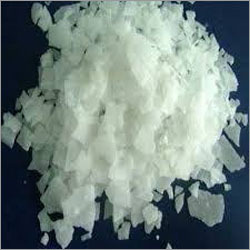
Versatile Compatibility and UsageThis powder is compatible with a wide range of plasticizers and other additives, allowing seamless incorporation into resin, fiber, film, molding, and coating applications. Its insolubility in water, yet solubility in certain polar solvents, increases its adaptability to tailored processing and end-product formulations.
Safe and Environmentally ResponsiblePolymern 1 is non-toxic, non-hazardous, non-flammable, and shows good resistance to UV degradation, reducing safety and environmental concerns. Compliant with industrial health and safety standards, it can be handled and stored without special precautionary measures, supporting safer workplace operations.
FAQs of Polymern 1:
Q: How should Polymern 1 be stored to maintain its quality?
A: Store Polymern 1 in a cool, dry place, enclosed in a tightly sealed container or original packaging. Avoid exposure to moisture and direct sunlight to ensure optimal shelf life, which is up to two years under recommended storage conditions.
Q: What are the primary benefits of using Polymern 1 in industrial applications?
A: Polymern 1 offers robust thermal stability, high mechanical strength, and excellent adhesive properties. It is safe, environmentally friendly, and resists UV degradation, making it suitable for diverse industrial uses such as textiles, filtration, and plastics processing.
Q: When is Polymern 1 typically used during the manufacturing process?
A: Polymern 1 is generally introduced at the raw material or compounding stage, where its powder form makes it easy to blend with other ingredients, ensuring consistent polymerization and product quality in fibers, films, resins, and coatings.
Q: Where can Polymern 1 be applied for optimal performance?
A: Its optimal performance is realized in textiles, adhesives, filtration media, rubbers, and plastics, where durability, stability under heat, and mechanical robustness are required. It is also valuable in industries needing UV-resistant and strong binding materials.
Q: How is Polymern 1 typically processed for use in various products?
A: Depending on the end application, Polymern 1 can be dissolved in certain polar solvents or dry-blended with plasticizers and additives. The resulting mixture is then processed through extrusion, molding, or coating operations to achieve desired product characteristics.
Q: What makes Polymern 1 a safer and more environmentally conscious choice compared to alternatives?
A: Polymern 1 is non-toxic, non-hazardous, non-flammable, and does not present significant environmental risks when handled or disposed of according to recommended guidelines. This makes it a preferable choice where workplace safety and ecological impact are priorities.






 Send Inquiry



 Send Inquiry
 Send Inquiry
 Send SMS
 English
 Spanish
 French
 German
 Italian
 Chinese (Simplified)
 Japanese
 Korean
 Arabic
 Portuguese