About Caustic Lye -1
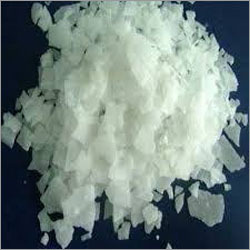
Caustic lye, also known as sodium hydroxide (NaOH), is a strong alkaline compound that is commonly used in a variety of industrial and commercial applications. It is a white solid that is highly soluble in water and forms a strong base when dissolved in water.
Caustic lye is widely used as a chemical reagent in the production of various organic and inorganic chemicals, including detergents, soaps, textiles, paper, and more. It is also used in the food industry to process foods, such as olives and cocoa, and as a cleaning agent for food processing equipment.
Key Industrial ApplicationsCaustic Lye -1 is widely utilized across various industries due to its potent alkaline nature. It is essential for manufacturing paper, textiles, detergents, and in water treatment processes. Its role in petroleum refining and chemical synthesis further underscores its versatility and critical importance in industrial operations.
Critical Handling and Storage RecommendationsEnsure Caustic Lye -1 is handled with protective gear, including gloves and eye protection. Store the product in tightly sealed, moisture-free containers made from compatible materials like selected plastics or glass. Avoid storage near acids or reactive metals such as aluminum and zinc, and use with local exhaust systems for safety.
Environmental and Safety ConsiderationsCaustic Lye -1 is classified as a hazardous, Class 8 corrosive substance under UN1824 regulations. Careful management is imperative, as it is toxic to aquatic organisms and highly poisonous. Proper containment and disposal prevent environmental contamination, while adherence to regulatory compliance ensures workplace safety.
FAQs of Caustic Lye -1:
Q: How should Caustic Lye -1 be safely handled during industrial processes?
A: Always handle Caustic Lye -1 with appropriate safety gear, including gloves, eyewear, and protective clothing. Use the product only in well-ventilated areas equipped with local exhaust systems. Avoid direct contact with skin and eyes, and never mix it with acids or reactive metals during processing.
Q: What materials are compatible or incompatible with Caustic Lye -1 storage and transfer?
A: Caustic Lye -1 should be stored and transferred in containers made from glass or certain plastics such as HDPE. Avoid using aluminum, zinc, or other reactive metals, as these can corrode. Incompatible materials can cause hazardous reactions or deterioration of equipment.
Q: Where is Caustic Lye -1 commonly applied in industry, and what benefits does it provide?
A: It is used in paper and textile manufacturing, water treatment, petroleum refining, and the production of detergents. The benefit of Caustic Lye -1 lies in its ability to efficiently break down organic matter, neutralize acids, and participate as a strong base in chemical synthesis.
Q: When should Caustic Lye -1 be added to chemical processes, and what precautions are necessary?
A: It should be introduced when strong alkalinity is needed for processes such as saponification or pH adjustment. Add Caustic Lye -1 slowly and carefully, especially when mixing with water, as it reacts exothermically and generates heat. Always follow established protocols and wear protective equipment.
Q: What environmental precautions must be taken with Caustic Lye -1?
A: Never discharge Caustic Lye -1 into the environment, particularly water bodies, as it is toxic to aquatic life. Use spill containment measures and consult local regulations regarding proper disposal to minimize environmental impact.
Q: How is Caustic Lye -1 properly stored, and what is its shelf life?
A: Store Caustic Lye -1 in tightly closed HDPE, glass, or compatible plastic containers, away from moisture, acids, and reactive metals. Ensure storage areas are secure and well-ventilated. Under proper conditions, the product has a shelf life of up to 2 years.
Q: What safety measures should be followed in case of accidental exposure to Caustic Lye -1?
A: In case of skin or eye contact, immediately rinse the affected area with plenty of water and seek medical attention. If inhaled, move to fresh air. Ensure safety showers and eyewash stations are readily accessible in areas where the product is handled.






 Send Inquiry



 Send Inquiry
 Send Inquiry
 Send SMS
 Call Me Free
 English
 Spanish
 French
 German
 Italian
 Chinese (Simplified)
 Japanese
 Korean
 Arabic
 Portuguese